
Cheap Pounds of THCa Flower That Still Move
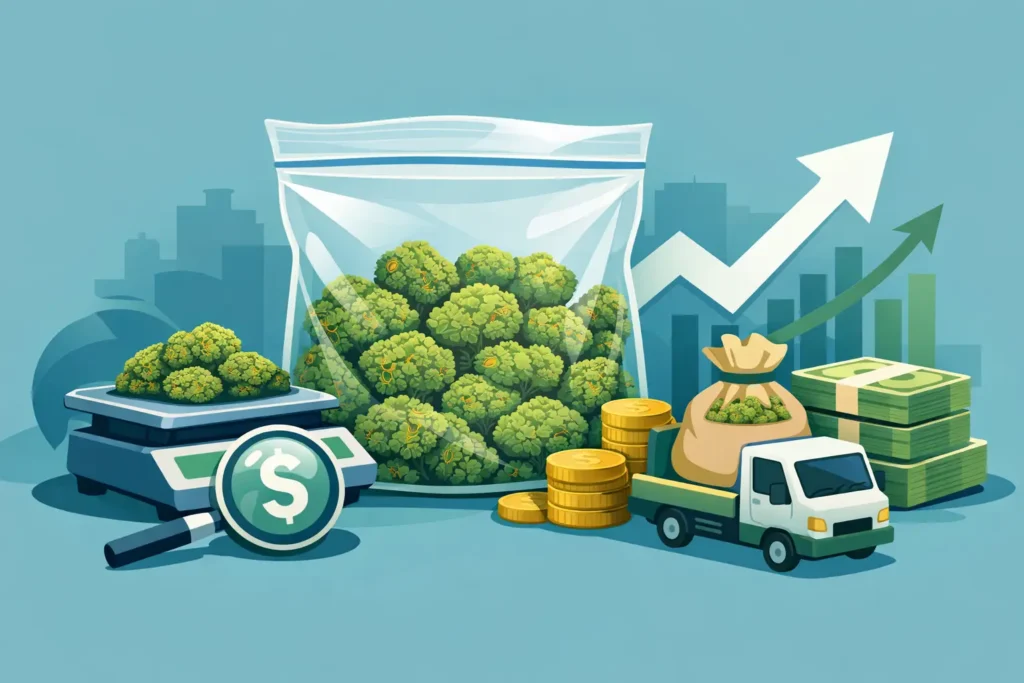
If you are sourcing cheap pounds of THCa flower, you already know the game is not about finding the lowest number on a page. It is about getting pounds that look good enough to move, smoke well enough to earn repeat business, and land at a cost that leaves room for real margin after shipping, promos, and retail pricing. Cheap is only a win when the product still turns.
What cheap pounds of THCa flower should actually mean
A lot of buyers get burned by treating cheap like a category by itself. It is not. In wholesale, cheap pounds of THCa flower should mean efficient cost per pound relative to bag appeal, usable potency, trim quality, and how fast that SKU can move in your market. If the pound is dusty, flat on aroma, or too rough for your customer base, the low price stops mattering the second it sits.
That is why smart buyers look at cheap flower through a resale lens. Can it be positioned as budget indoor, greenhouse value, smalls, or daily-driver inventory? Can your staff sell it without making excuses? Does it belong in a promo bin, a house brand jar line, or a volume deal? Those are the questions that protect your margin.
Why the cheapest pound is not always the best buy
There is a difference between low-cost inventory and dead inventory. A pound can come in cheap and still cost you more if it moves slow, gets discounted twice, or drags down trust with regular customers. This hits hardest for smoke shops and online resellers who need predictable turns, not random gamble packs.
The sweet spot is value inventory that still checks the boxes your customers care about first. Usually that means decent nose, acceptable structure, clean presentation, and a strain name that helps it sell without a full pitch. You do not need every pound to be exotic. You do need it to make sense for the shelf it is going on.
How buyers judge cheap pounds of THCa flower in real life
Wholesale buyers who stay winning usually judge flower in layers, not in a rush. Price gets attention, but movement gets the order.
Start with shelf fit
Before you even compare pounds, decide where the flower belongs in your lineup. Budget smalls can crush in price-sensitive markets. Greenhouse can work when customers want a step up from shake-level value but do not need top shelf. Lower-tier indoor can be a strong play when presentation matters more than chasing the highest potency numbers.
Once the shelf fit is clear, you can compare similar products instead of mixing categories that do not belong together. That is where bad buying happens. A budget greenhouse pound is not supposed to compete head-to-head with premium indoor exotic. Different lanes, different expectations, different margins.
Then check what actually sells in your market
Every buyer says they want fire. Not every end customer pays for it. Some markets move top shelf all day. Others live on deal jars, mix-and-match ounces, and daily specials. If your customer base is promo-driven, cheap pounds with solid strain variety will often outperform more expensive flower with tighter margins.
That is why buyers should pay attention to repeat patterns, not just hype. Which strains sell through fastest? Which formats get reordered? Which price points move without staff having to push? When you know that, cheap flower becomes a tool, not a risk.
Finally, look at the hidden cost
Low pound pricing means less if the order shows up inconsistent, delayed, or poorly packed. Bulk buyers need reliability because inventory gaps kill momentum fast. Insured shipping, consistent fulfillment, and a supplier with depth across multiple tiers matter more than people admit. One bad order can wipe out the savings from three cheap ones.
The best formats for low-cost THCa flower
Not all inexpensive flower wins the same way. Some formats are built for margin. Others are built for speed.
Budget smalls are often the cleanest entry point for cheap bulk flower. They are easier to position, easier to bundle, and usually easier for customers to accept as a value purchase. As long as the aroma and smoke are there, many shoppers will gladly trade larger bud structure for a better price.
Greenhouse flower can also hit hard in the right market. It usually gives buyers a middle lane between bargain-bin product and higher-cost indoor. If the cure is right and the visual quality holds up, greenhouse can serve retailers who need volume inventory that still feels legit.
Lower-priced indoor is another strong play, especially for stores that want budget flower without losing too much on appearance. Indoor often gives you better bag appeal and more familiar merchandising appeal, even when it sits below premium tiers.
The right answer depends on your customer base. Some stores need the cheapest smokeable pound possible. Others need affordable flower that still looks strong in jars, photos, or menu listings. Same goal – different path.
How to protect margin when buying cheap
Cheap pounds become profitable when you buy with a plan. If you are bringing in bulk without a pricing strategy, you are just stacking risk.
First, know your target retail before you order. Work backward from the shelf price your market will actually support. If the end customer expects a deep deal, your wholesale price needs to leave breathing room for promos and still keep the category worthwhile.
Second, build your assortment with purpose. A lot of buyers do better carrying a few dependable budget strains than loading up on too many random low-cost options. Too much variety in the low end can slow turns if every SKU fights for the same customer.
Third, think in blended margins. Sometimes a cheap pound does not need to carry the whole profit story by itself. It can bring traffic, fill out bundles, or support a value tier that helps premium flower look even better. Smart operators know every product has a job.
What to ask your supplier before placing a bigger order
If you are moving from test buys into larger wholesale volume, ask the questions that matter before you commit. You want clarity on current stock depth, consistency across multiple pounds, shipping timing, and whether pricing improves at larger order thresholds. If your business scales through bulk, those details are not extra – they are the deal.
You also want to know how the supplier organizes product tiers. A good wholesale setup should make it easy to source by budget, format, and quality lane instead of forcing you to guess from a single generic flower list. That saves time and helps buyers build an inventory mix that actually works.
For large accounts, custom pricing can change the math in a major way. If you are ordering at serious volume, do not buy like a casual shopper. Buy like an operator.
Where a strong wholesale partner makes the difference
This is where supplier depth really matters. You want a source that can cover budget smalls, greenhouse, indoor, and top-shelf options under one roof so you can balance your cart around margin and demand. That flexibility matters even more when trends shift fast or one category starts moving harder than expected.
Bay Smokes Wholesale is built for buyers who need that kind of range. The lane is simple – broad product selection, volume-minded pricing, nationwide shipping, and the kind of high-volume consistency bulk buyers care about when they are ordering to resell, not just sample. If you are trying to keep shelves full and margins healthy, that setup makes sense.
The real move with cheap pounds of THCa flower
The real move is not chasing the lowest ticket. It is finding pounds cheap enough to give you room and strong enough to keep customers coming back. That usually means buying with more discipline than emotion, matching the flower to the right shelf, and working with suppliers who understand wholesale pressure.
Plenty of buyers can find a cheap pound once. The operators who keep winning are the ones who find cheap pounds they can reorder with confidence. Tap in with that mindset, and budget flower stops being a compromise – it becomes one of the smartest parts of your whole lineup.