
How to Source Compliant THCa Inventory
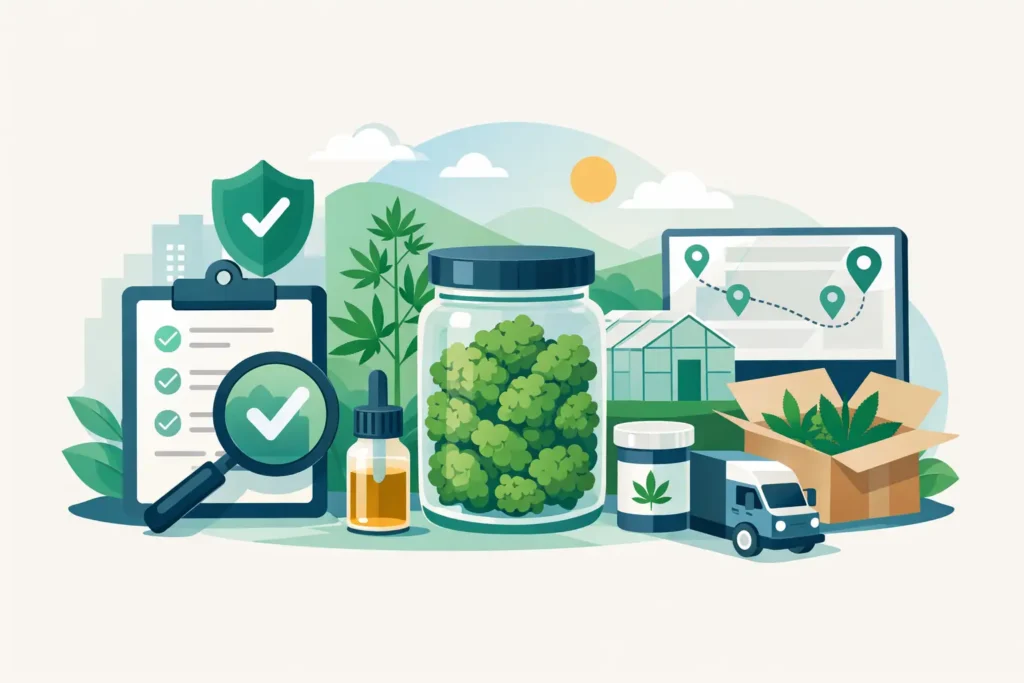
One bad buy can wreck a whole quarter. If you’re figuring out how to source compliant THCa inventory, you are not just shopping for flower or extracts – you’re protecting margins, shielding your business from avoidable risk, and making sure what lands on your shelf can actually move.
For wholesale buyers, compliance is not a side issue. It sits right next to price, potency, and bag appeal. A strain can look fire, test strong, and still become a headache if the paperwork is sloppy, the source is shaky, or the vendor cannot explain how the product lines up with federal hemp rules and your state-level reality. That is where smart sourcing separates real operators from people just chasing cheap boxes.
How to source compliant THCa inventory without getting burned
The first move is simple – stop treating compliance like a document you check after the deal is done. Compliance starts before you ask for pricing. You want to know where the material came from, how it was handled, who tested it, and whether the supplier has a repeatable process or just a nice-looking COA attached to random lots.
A serious supplier should be able to speak clearly about batch testing, inventory turnover, shipping practices, and product categorization. If they get vague when you ask for lab support or dodge direct questions about lot-level documentation, that is your signal. Fast answers matter, but clean answers matter more.
The best buyers also know that compliant does not always mean low-risk in every market. Hemp-derived THCa products can exist in a legal gray area depending on where you operate and where inventory is shipping. That means your sourcing strategy has to account for both federal framing and state enforcement posture. If your supplier talks like one rule applies everywhere, they are either oversimplifying or selling you comfort instead of clarity.
Start with the supplier, not the product
Most buyers begin with strain lists, price tiers, and whether the indoor tops are hitting. That makes sense from a sales standpoint, but compliance problems usually begin at the supplier level. A clean vendor can carry average product and still be worth building with. A messy vendor with exotic flower can turn into expensive dead weight.
Look for consistency across the catalog. If a supplier offers indoor flower, greenhouse flower, budget smalls, extracts, and edibles, ask whether their documentation standards stay tight across every category or only on the top-selling SKUs. Some wholesalers keep their premium flower dialed in but get loose on lower-cost inventory because they assume buyers care less. That is exactly where problems sneak in.
You also want to know how they handle scale. Plenty of suppliers look organized on a few pounds. The real test is whether they can fulfill meaningful volume with the same paperwork discipline, packaging consistency, and batch traceability. If you’re buying to restock multiple stores or feed an online operation, that matters more than a one-time sample looking good.
COAs matter, but only if you know how to read them
A lot of buyers ask for a COA and stop there, like the file itself closes the deal. It does not. The point is not having a certificate on hand. The point is knowing whether that certificate actually supports the product you are buying.
Start with batch matching. The lot or batch number on the COA should line up with the inventory being offered. If the supplier sends a generic report or one that looks disconnected from the actual batch, press them on it. You are buying inventory, not marketing material.
Then look at the cannabinoid breakdown. In hemp-derived THCa categories, buyers typically focus on total delta-9 THC compliance under the applicable standard, but that has to be considered alongside product form, testing method, and how the supplier is positioning the item. If they cannot explain the test in plain English, that is a red flag. Good suppliers do not hide behind jargon.
You should also check the broader safety panel when relevant. Potency gets attention because it sells, but contaminants create the bigger business risk. Depending on the product category, ask about pesticides, heavy metals, microbials, residual solvents, and any other screening that makes sense for that format. A flower buyer and an extract buyer should not be asking the exact same questions.
Compliance is bigger than lab results
A compliant batch on paper can still become a problem if packaging, labeling, and shipping are handled carelessly. Wholesale buyers need to think through the full chain, because regulators and payment partners do not care that your vendor’s flower tested clean if the product arrives misrepresented or unsupported.
Labeling should match the product and avoid claims that create extra exposure. Packaging should be professional, consistent, and suitable for transit. Shipping practices matter too. Insured fulfillment, order tracking, and clear handling procedures are not just operational perks – they reduce the chance that a routine restock turns into a loss event or customer service mess.
This is where experienced suppliers start to separate themselves. A company built for volume usually has more disciplined fulfillment than a broker moving opportunistic deals. That does not guarantee compliance, but it often signals a stronger system behind the sale.
Price matters, but cheap inventory gets expensive fast
Every wholesale buyer wants room on margin. That is the game. But if your whole sourcing strategy is built around getting the lowest cost per pound, you are setting yourself up to buy avoidable risk.
The smarter question is whether the inventory is priced correctly for its category, turnover speed, and compliance confidence. Budget smalls can be a great business. Greenhouse can print if your customers know what they are buying. Top-shelf indoor can justify stronger tickets if the nose, look, and paperwork all line up. The issue is not buying affordable product. The issue is buying product that looks profitable only until returns, replacement demands, or inventory freezes hit.
That is why serious operators compare more than sticker price. They compare consistency, documentation, shipping reliability, and whether the supplier can support repeat orders on the same standard. A supplier with honest volume pricing and custom quotes for larger buys can often create better long-term margin than a lowball offer that falls apart on batch two.
How to vet a THCa supplier before you scale
Before you place a heavy order, test the relationship like a buyer who plans to be here next quarter. Sample across tiers if possible. Do not just request the highest-end flower. See how the vendor handles premium inventory and value inventory. That tells you whether their operation is actually organized or just polished at the top.
Pay attention to response quality. Are they direct? Do they send current documents? Can they explain differences between indoor, greenhouse, and budget lots beyond basic sales talk? Can they speak to turnaround times and repeat availability? A real wholesale partner should make you feel like they have done this before, not like they are figuring it out in your inbox.
It also helps to ask how often inventory refreshes and how substitutions are handled. Fast-moving categories can create pressure, especially when a hot strain sells out. You want to know whether the supplier can replace with comparable product and updated paperwork without turning every reorder into a new risk review.
If the operation looks built for scale, that is a strong sign. Bay Smokes Wholesale, for example, leans into broad assortment, volume pricing, and insured nationwide fulfillment because serious buyers need more than a menu – they need a supply lane.
Build a sourcing system, not a one-time checklist
The buyers who stay out of trouble usually are not guessing better. They have a process. Every vendor gets screened. Every batch gets matched to paperwork. Every reorder gets reviewed for consistency. And every market decision gets filtered through the simple question: can we sell this confidently where we operate?
That system does not need to be complicated, but it does need to be repeatable. Keep records. Track which suppliers answer clearly and which ones stall. Compare delivered quality against pre-sale claims. Watch how often issues show up in lower-tier inventory versus premium lots. Over time, that tells you who deserves bigger purchase orders.
There is always some judgment involved. This category moves fast, regulations shift, and market appetite changes. But the buyers who win are usually the ones who stay disciplined when everybody else is chasing the cheapest deal or the loudest strain name.
If you want THCa inventory that actually supports your business, tap in with suppliers who can back up the pitch with clean documentation, dependable fulfillment, and real wholesale consistency. Pretty flower gets attention. Compliant inventory keeps the doors open.