
What Counts as Premium Indoor Flower for Resale?
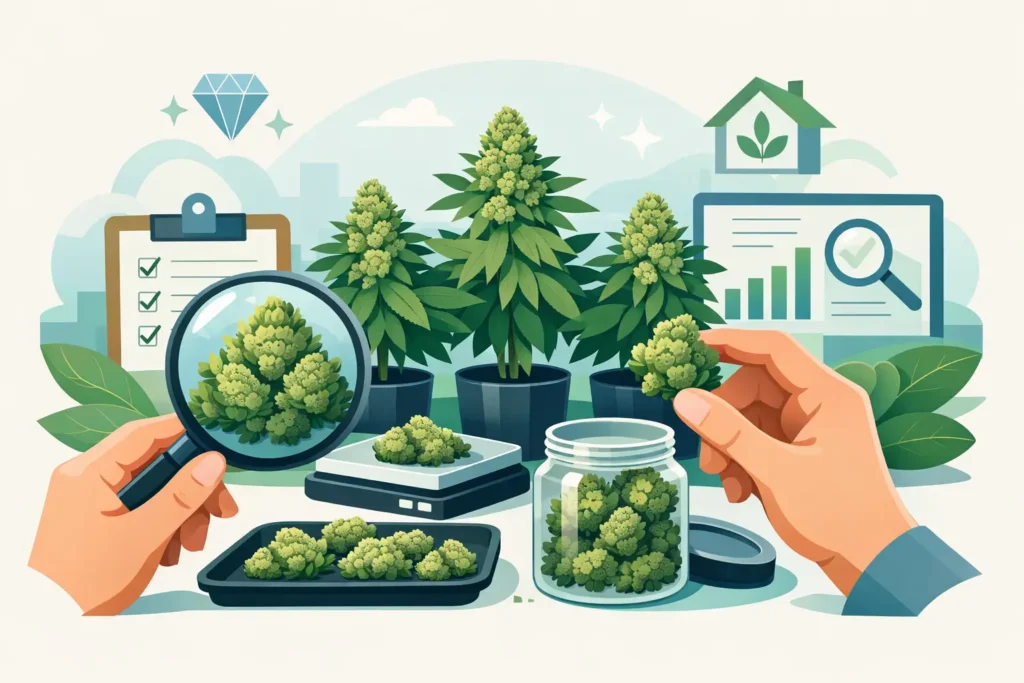
A bag can have a loud strain name, frosty photos, and a high potency number, then still disappoint the minute a customer opens it. That is why knowing what counts as premium indoor flower matters for wholesale buyers. Premium is not one flashy metric. It is a batch that looks right, smells right, burns clean, arrives consistently, and gives your customers a reason to come back for the same SKU.
For a retailer or reseller, the real test is simpler: can you confidently put this flower in your higher-priced tier without dealing with avoidable complaints, slow turns, or surprise quality swings? If the answer is yes, you are looking at premium territory. If the flower only shines in product photos, it is not top shelf – it is a problem waiting for your customer service inbox.
What Counts as Premium Indoor Flower?
Premium indoor flower starts with a controlled cultivation environment. Indoor rooms give growers tighter control over light cycles, temperature, humidity, airflow, and pest pressure. That control can produce dense, well-developed buds with stronger bag appeal and more repeatable characteristics from batch to batch.
But “indoor” is not automatically a premium stamp. Poor genetics, rushed harvests, weak drying practices, or careless storage can drag an indoor batch down fast. Premium indoor flower is the result of the whole chain being handled correctly: genetics, cultivation, harvest timing, cure, trim, testing, packaging, and fulfillment.
For buyers working in volume, that last point carries weight. A beautiful sample means very little if the next case is dry, leafy, or noticeably different. The suppliers worth building with can maintain standards across the inventory you receive, not just across a single jar sent for inspection.
Bag Appeal Is the First Sale
Your customers judge flower before they smell it or smoke it. Whether they are shopping at a counter, browsing a menu, or opening an online order, visual quality creates the first impression. Premium indoor buds generally show solid structure, healthy color, visible trichome coverage, and a careful trim.
Dense does not have to mean rock-hard. Some cultivars naturally grow more open or elongated, especially certain sativa-leaning varieties. What matters is whether the structure fits the strain and whether the flower feels properly developed rather than airy, immature, or poorly handled.
A premium batch should also look intentionally sorted. Expect full, presentable nugs in a standard flower tier, with limited shake, excessive stems, broken pieces, or random leaf. Smalls can absolutely be a profitable SKU, but they should be priced and labeled honestly as smalls. Trying to sell a small-heavy lot as exotic top shelf is how buyers lose trust.
Color is another clue, not a final verdict. Vibrant green, deep purple, bright orange pistils, and silver trichomes can all signal quality, but genetics drive much of that appearance. Do not buy a batch just because it is purple. Buy it because the entire presentation supports the price point.
Aroma, Cure, and Freshness Separate Tiers
The nose tells a major part of the premium story. Fresh indoor flower should have a clear, recognizable aromatic profile the moment the seal breaks. Depending on the cultivar, that may be gas, citrus, cream, fruit, pine, candy, earth, or a layered mix. The key is definition. A premium batch smells expressive, not flat.
That aroma depends heavily on the cure. Flower that is rushed through drying can smell like hay, feel harsh, and lose the personality that made the genetics worth growing. Flower dried too far can crumble, burn too hot, and make even strong-looking buds feel old. On the other side, overly moist flower can burn poorly and raises handling concerns.
A good cure preserves the flower’s natural character while creating a clean, smooth consumer experience. You do not need to turn every incoming order into a lab project, but you should inspect it. Open a representative sample from each batch, check the feel of the buds, and compare the aroma to the product description before listing or distributing it.
Potency Matters, But It Is Not the Whole Play
Potency sells, especially in categories where customers already compare cannabinoid percentages. Still, buyers who build long-term repeat business know a high number alone does not make flower premium. A batch can test high and still have a weak smell, rough smoke, poor trim, or no real shelf presence.
Use potency as part of a larger quality equation. In a wholesale THCa flower program, the cannabinoid profile should be supported by current documentation and should align with how the product is marketed. If a batch is positioned as high potency, your paperwork and your on-hand product need to back it up.
Terpenes add another layer of value because they help explain why one strain name moves while another sits. You do not need to oversell technical terpene language to every customer, but you do need flower that has a real sensory identity. “Gas-forward,” “sweet fruit,” or “creamy dessert” is far more useful at the point of sale when the product actually delivers that profile.
Premium Means Clean Paperwork and Clean Operations
In wholesale, quality is not just what is inside the bag. It is also how confidently you can put that bag on your shelf. Premium inventory should come with batch-specific information that supports the product’s claims and helps you operate responsibly in your market.
Before you commit to a meaningful order, confirm the batch details, available certificates of analysis, cannabinoid information, and any applicable compliance documentation. Requirements and enforcement can vary by product type and jurisdiction, so handle your inventory based on the rules that apply where you operate. Do not let a bargain price talk you into weak documentation or vague answers.
Reliable packaging and fulfillment matter too. A great flower batch that arrives late, damaged, or shorted does not protect your margin. Buyers need products that are packaged to preserve freshness, labeled clearly, and shipped with enough consistency to support restocks. That operational side may not be sexy, but it is exactly what separates a one-time supplier from a real wholesale partner.
How to Grade a Batch Before You Scale It
Do not rely on one signal. Build a quick receiving standard that your team can use on every shipment. The goal is not to reject every natural variation. It is to catch issues before those issues become your customers’ problem.
When evaluating premium indoor flower, look for these four areas:
- Visual standard: Bud size, trim quality, trichome coverage, color, and the amount of shake should match the tier you bought.
- Freshness standard: The flower should have a distinct aroma and proper texture, without hay notes, excessive dryness, or questionable moisture.
- Batch standard: Packaging, lot information, cannabinoid details, and supporting documentation should line up with the order.
- Commercial standard: The landed cost, expected retail price, and turn rate must leave enough room for a real margin.
That last point is where smart buyers separate themselves. The most expensive flower is not always the best wholesale buy. A premium SKU needs enough demand to justify its cost. If your customers will not support the retail price needed for your margin, a strong mid-tier indoor option may outperform an exotic batch every time.
Premium vs. Top Shelf vs. Exotic
These labels overlap, but they are not identical. Premium indoor flower usually means a high-quality product with strong bag appeal, a proper cure, good aroma, and a dependable customer experience. It should sit above budget flower and basic greenhouse options in both quality and price.
Top shelf generally signals the best product available in a supplier’s current lineup. That can mean exceptional cultivation, rare genetics, standout aroma, superior visual presentation, and limited availability. Exotic often leans into unusual or highly demanded genetics, distinctive flavor profiles, and trend-driven appeal.
The right tier depends on your market. A high-volume smoke shop may need premium indoor that turns quickly at an approachable price. A boutique retailer might move fewer units but command more for exotic, limited-run strains. Keep both options in play, but do not blur the labels. Your customers notice when the product does not match the promise.
Buy for Repeat Orders, Not Just Opening-Day Hype
The strongest premium indoor flower program has range. Carry a few recognizable flavor lanes – gas, fruit, dessert, and balanced classics – so your menu does not depend on one strain trend. Then watch what actually moves. Product names get attention, but repeat purchases tell you which batches earned their place.
At Bay Smokes Wholesale, the winning move is building a tiered menu instead of betting the whole budget on one flashy strain. Keep a value option for price-sensitive customers, dependable premium indoor for the core of your business, and select top-shelf drops for shoppers chasing the latest loud pack. That structure protects your margins while giving customers a reason to trade up.
Premium flower earns its status when the product, paperwork, and customer experience all show up at the same level. Inspect the batch, price it with intention, and only put your name behind inventory you would be ready to reorder. That is how premium becomes more than a label – it becomes a lane your customers trust.